

Limo driver requirements in Connecticut start with a public passenger endorsement, which the DMV generally requires for anyone driving a livery vehicle for hire. Applicants need an acceptable driving record, state and national criminal record checks with fingerprints, and medical review. The DMV can deny or withdraw an endorsement for serious offenses.
The DMV’s endorsement page does not list drug testing, and federal testing rules cover drivers of vehicles built for 16 or more people. This guide explains what Connecticut checks, where federal rules apply, and what to ask a company about its drivers before you ever book a ride.
Key Takeaways
- Livery drivers in Connecticut generally need an “F” public passenger endorsement on their driver’s license.
- Getting one involves fingerprinting, state and national criminal record checks, a driving record review, and a medical review.
- Certain convictions, including DUI, lead to multi-year withdrawal periods under the DMV’s list.
- A company may let a new driver operate for up to 90 days before approval, but only after its own checks.
- Federal CDL and drug testing rules apply to vehicles designed for 16 or more people, so testing for smaller vehicles is largely up to the company.
- Ask a company how it screens and tests drivers, and get the answers in writing.
What Are the Limo Driver Requirements in Connecticut?
The Connecticut DMV calls the credential a public passenger endorsement, or PPE, and also refers to it as a public service license. According to the DMV, an “F” endorsement is required to operate a taxi, livery vehicle, service bus, motor bus, or motor coach. The state statute adds that a person generally may not operate a motor vehicle in livery service until the endorsement is on their license, except to road test the vehicle or move it without passengers.
Here is what the DMV says an applicant must do.
| Requirement | What the DMV states |
|---|---|
| License | A valid Connecticut driver’s license |
| Age | At least 18, or 21 for a commercial motor vehicle |
| Driving record | An acceptable driving record |
| Character | Good moral character |
| Criminal background | State and national criminal record checks, with fingerprinting |
| Registry check | A sex offender check through the national database |
| Medical | Medical review and a medical examiner’s certificate |
| Recent residents | Certified driving and criminal histories from other states for anyone who has lived in Connecticut under 5 years |
The DMV says the process takes approximately 6 to 8 weeks, because several state and federal agencies run the background checks. That timeline matters later, when we look at what a company can do while an application is pending.
Which Drivers Need Which License?
The basic limo driver requirements apply to livery drivers of any size vehicle, and larger vehicles add more.
| Vehicle | What the DMV says the driver needs |
|---|---|
| Sedan or SUV used in livery service | An F endorsement |
| Stretch limo or van carrying 9 to 15 passengers | An F endorsement |
| Vehicle designed to carry 16 or more passengers, including the driver | An F endorsement plus a commercial driver’s license (CDL) with a “P” endorsement |
If you are unsure which category a vehicle falls into, ask how many passengers it is designed to carry. MKC’s capacity guide explains typical seating, and the stretch limo vs party bus guide shows where larger vehicles begin.
The DMV lists two main exceptions: a non-resident who holds the equivalent endorsement from their home jurisdiction, and a vehicle that is not carrying passengers, such as one a mechanic is moving.
What Do Limo Driver Requirements Say About Background Checks?
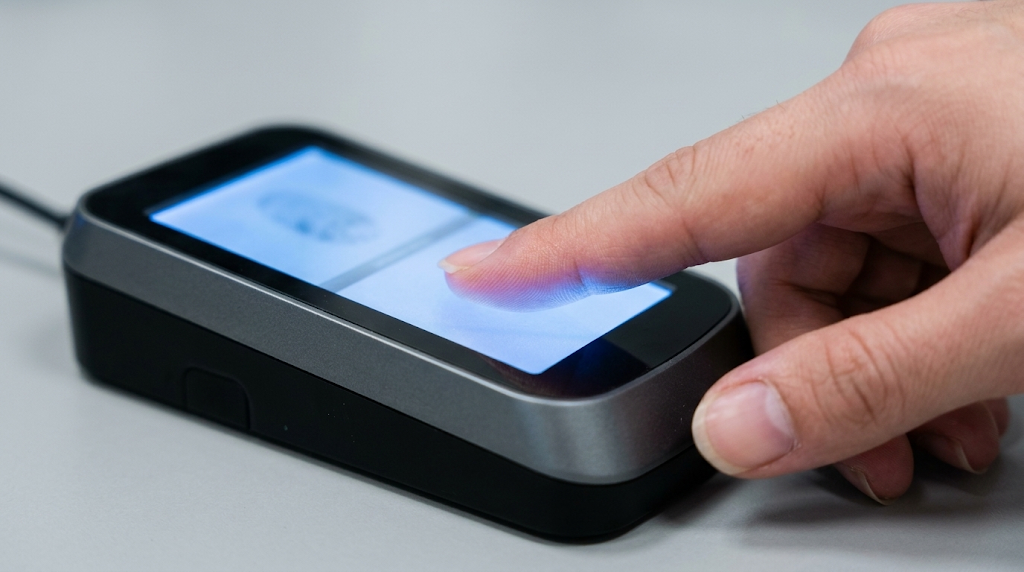
Every endorsement applicant is fingerprinted. The DMV page says applicants are subject to state and national criminal record checks, and that an endorsement application or a current endorsement can be denied, suspended, or withdrawn if a serious criminal offense shows up on public records or if state or national records reveal an offense that questions the person’s moral character.
The statute, section 14-44 of the Connecticut General Statutes, gives the commissioner discretion. In deciding, the commissioner may consider the applicant’s age, accident and criminal record, moral character, and physical condition.
The driving record matters too. The DMV publishes lists of convictions that lead to withdrawal periods for the endorsement.
| Withdrawal period | Examples from the DMV’s list |
|---|---|
| Five years | Driving under the influence of drugs or alcohol, evading responsibility, second degree manslaughter or assault with a motor vehicle, refusing a chemical test |
| Three years | Driving while license withdrawn or suspended, reckless driving, negligent homicide with a motor vehicle |
| Two years | Speeding, traveling unreasonably fast, improper passing, failure to yield, distracted driving including texting and handheld phone use |
The page lists many more entries, including several for out-of-state convictions, so treat the table as a summary. The statute also asks applicants for sworn evidence about their criminal record and any DUI convictions within five years of the application, and its wording has been amended over the years, so rely on the DMV page and the current statute.
What Happens After a Driver Is Endorsed?
A driver does not keep an endorsement forever without conditions. The statute includes several ongoing mechanisms.
- Arrest reports. When a person who holds an endorsement is arrested for a felony or a violation of section 53a-73a, the arresting officer or department must report it to the DMV commissioner within 48 hours.
- Medical certificate. The DMV says anyone who holds a PPE must keep a valid medical certificate on file, and that a lapse changes the driver’s medical status to “Not Certified.”
- Suspension or revocation. The commissioner may withhold, suspend, cancel, or revoke an endorsement, and a person refused on account of a criminal record can request a hearing in writing within 20 days.
None of these limo driver requirements guarantees a driver’s conduct on any given day, but they show the endorsement is a licensing decision that can be revisited.
Can a New Driver Start Before the Endorsement Is Approved?
Often a company hires a driver while the application is still in the 6 to 8 week review. Connecticut’s limo driver requirements address this directly for livery companies.
Under the statute, a permit holder that wants to employ someone who has applied for the endorsement may let that person operate a livery vehicle before approval, but for no longer than 90 days after the application date. The company has to decide the person meets the requirements, and in making that decision it must do two things:
- Run, or have a consumer reporting agency run, a local, state, and national criminal history check, including state and national sex offender registry searches.
- Review the person’s driving history record from the DMV, dated no more than seven days before the review.
The statute also says a driver approved this way must carry, and present on request, a copy of the application and the criminal history check while operating.
As a rider, this means a driver may legitimately be mid-application, and that the company, not the DMV, did the screening for that stretch. It is reasonable to ask whether any of a company’s drivers are working under this provision.
The statute text we read dates from 2020, so confirm the current wording on the General Assembly’s site before relying on the details.
What Federal Rules Add and Where They Stop
Federal rules sit on top of Connecticut’s limo driver requirements, and they apply by vehicle size. The Federal Motor Carrier Safety Administration (FMCSA) published a summary of which vehicles its rules cover, and it draws two lines for passenger vehicles.

| Vehicle | FMCSA safety rules | CDL and drug and alcohol testing |
|---|---|---|
| Sedan or SUV under 9 passengers | Not listed as covered, unless a weight rating brings it in | Not listed |
| 9 to 15 passengers, for direct compensation | Covered in interstate commerce | Not listed |
| 16 or more passengers | Covered in interstate commerce | Covered, interstate or intrastate |
For vehicles in the middle category, the safety rules include driver qualification requirements such as a check with previous employers, a check of the official DMV driving record, and a medical certificate. They also include hours-of-service limits and vehicle inspection and maintenance rules. The CDL and drug and alcohol testing rules, by contrast, are listed for passenger vehicles designed or used for 16 or more people.
That is a gap in what is required, not a statement about what any company does. A driver of a sedan, SUV, or 9 to 15 passenger vehicle may not fall under the federal testing rule, so the question to ask is about the company’s own policy.
Drug Testing and Company Screening: What to Ask
Because the state’s limo driver requirements do not list drug testing, and federal testing rules cover larger vehicles, much of this comes down to company policy. Policies range widely, and you cannot tell from a website.
One industry executive quoted by Smart Meetings suggested that companies collect certain background information on drivers: a third-party criminal check going back at least seven years, a DMV record check going back at least three years, and drug and alcohol screening. That is one person’s recommendation, not a legal standard, but it makes a useful starting list.
Ask each company you are considering:
- Do you run a criminal background check beyond the DMV’s, and how far back does it go?
- Do you review each driver’s DMV record, and how often?
- Do you drug test before hiring, at random, or after an incident?
- Do you apply the same testing to drivers of smaller vehicles?
- Are drivers employees or independent contractors?
A plain answer tells you something, and so does a vague one.
How to Check on a Driver Before You Book
You usually will not see a driver’s file, and a company cannot share private records. You can still check the limo driver requirements through a few simple questions.
| Ask | Why it matters |
|---|---|
| Do all your drivers hold an F endorsement, and a CDL with a P endorsement where the vehicle requires it? | Confirms the basic state credential |
| Are any drivers working under the 90-day pending-application provision? | Tells you whether a driver is mid-application |
| What screening do you do beyond the DMV’s checks? | Shows the company’s own standard |
| Do you drug test, and does that include drivers of smaller vehicles? | Federal rules may not require it |
| Are your drivers employees or contractors? | Affects training and accountability |
| Will I receive the driver’s name and vehicle details before pickup? | Lets you confirm who arrives |
| What happens if a driver’s endorsement is suspended or withdrawn? | Shows how the company responds |
For verifying the company itself, MKC’s guide to avoiding limo scams in Connecticut covers permits and written confirmation, and the limo company insurance guide explains how to read a certificate. The first-timer guide covers what happens at pickup.
What to Do If You Have a Concern About a Driver
If you feel unsafe during a ride, contact local emergency services first. For a concern after the fact, work through these steps.
- Write down what happened, including the date, time, driver’s name, vehicle, and company.
- Contact the company in writing and ask for a response.
- File a written complaint with CT DOT. Its Regulatory and Compliance Unit takes complaints about livery companies through a complaint form, and it does not take them by phone.
- Consider legal advice if you were harmed.
This is general information, not legal advice.
Frequently Asked Questions
Do limo drivers need a special license in Connecticut? Generally yes. The DMV says an “F” public passenger endorsement is required to operate a livery vehicle, and drivers of vehicles designed to carry 16 or more passengers, including the driver, also need a CDL with a “P” endorsement.
Are limo drivers background checked in Connecticut? Applicants for the endorsement are fingerprinted and subject to state and national criminal record checks, along with a driving record review. A company may also run its own checks.
Are limo drivers drug tested in Connecticut? The DMV’s endorsement page does not list drug testing. Federal drug and alcohol testing rules cover vehicles designed or used for 16 or more people, so testing for drivers of smaller vehicles depends on the company. Ask about its policy.
Can a driver with a DUI work for a limo company? Under the DMV’s list, a conviction for driving under the influence leads to a five-year withdrawal period for the endorsement. Ask a company how it screens drivers and how it handles convictions.
Can a new driver start before the endorsement is approved? A livery company may let an applicant operate for up to 90 days after the application date if it completes its own criminal history check and reviews a recent DMV driving record. A driver working this way should carry a copy of the application and the check.
What should I ask a limo company about its drivers? Ask what credentials its drivers hold, how it screens and tests them, whether they are employees or contractors, and whether any are working on a pending application. Get the answers in writing.
Ask About the Driver Before You Book
Ask every company the questions above, MKC Limo included, and get the answers in writing. A clear answer about credentials and screening tells you how a company treats the people behind the wheel.
To get a quote, contact MKC Limo with the date, pickup address, group size, and any questions about driver credentials. For vehicles and service areas, MKC’s Hartford limo service guide is the place to start.
MKC Limo Service Hartford County’s chauffeured airport and executive car service